Compare Local Contractors for Landscape Curbing Installation
Compare local contractors for landscape curbing installation to define project scope, verify experience, and set clear expectations for a successful outcome.
Landscape curbing installation typically involves creating defined borders around garden beds, pathways, lawns, or other landscape features. This work often includes shaping and pouring concrete or similar materials to form durable, visually appealing edges that help contain mulch, gravel, or soil. Depending on the property’s design, contractors may also incorporate decorative elements such as textured finishes or colored accents to enhance the overall aesthetic. Clear communication about the desired look and functional requirements is essential to ensure the finished curb aligns with the property owner’s vision.
Defining the scope of landscape curbing work is a crucial step in the planning process. Property owners should consider specifying the size, shape, and materials for the curb, as well as any particular design features or finishes they prefer. Outlining these details in writing helps prevent misunderstandings and ensures that contractors have a clear understanding of expectations. Additionally, discussing the extent of the work upfront allows property owners to compare service providers effectively and evaluate their experience with similar projects.
When evaluating local contractors for landscape curbing installation, property owners should consider a range of factors beyond just availability. Verifying the experience of each service provider with similar projects can offer insight into their capabilities and craftsmanship. Comparing the scope of work, proposed approaches, and the level of detail in written estimates can help identify the most suitable contractor. It’s also beneficial to review any references or past work examples, which can provide a clearer picture of the contractor’s professionalism and reliability in delivering landscape curbing that meets the property’s specific needs.
Compare local contractors by outlining your project priorities, verifying their experience, and setting clear expectations in writing.
- Compare Contractor Credentials - Review the experience and reputation of local contractors to ensure reliable curb installation services.
- Define Project Scope Clearly - Establish detailed expectations and specifications before beginning work to prevent misunderstandings.
- Verify Experience and Past Work - Assess previous projects and references to gauge the quality of a contractor’s curb installation services.
- Document Agreements in Writing - Ensure all project details, responsibilities, and expectations are confirmed through written agreements.

Clearly describe your landscape curbing project and compare local contractors’ experience and scope to set proper expectations.
- Verify the experience of local contractors in landscape curbing installation to ensure familiarity with the scope of work. - Review past projects or references to assess the quality and consistency of their work.
- Define the scope of the project clearly in writing, including materials, design, and installation details. - Ensure all expectations are documented to prevent misunderstandings during the process.
- Compare multiple service providers to evaluate their expertise, reputation, and approach to curb installation. - Look for consistent professionalism and clarity in their communication.
- Check that local contractors have appropriate insurance coverage to protect against potential liabilities. - Confirm coverage details to avoid future disputes or issues.
- Ask service providers about their process for preparing the site and installing the curb to understand their methods. - Clarify any concerns about disruption or site impact before work begins.
- Ensure that all project specifications and expectations are agreed upon and documented in a written contract before work starts. - This helps establish a clear understanding and accountability for the project.
Compare local contractors, clarify scope, verify experience, and document expectations for successful landscape curbing projects.
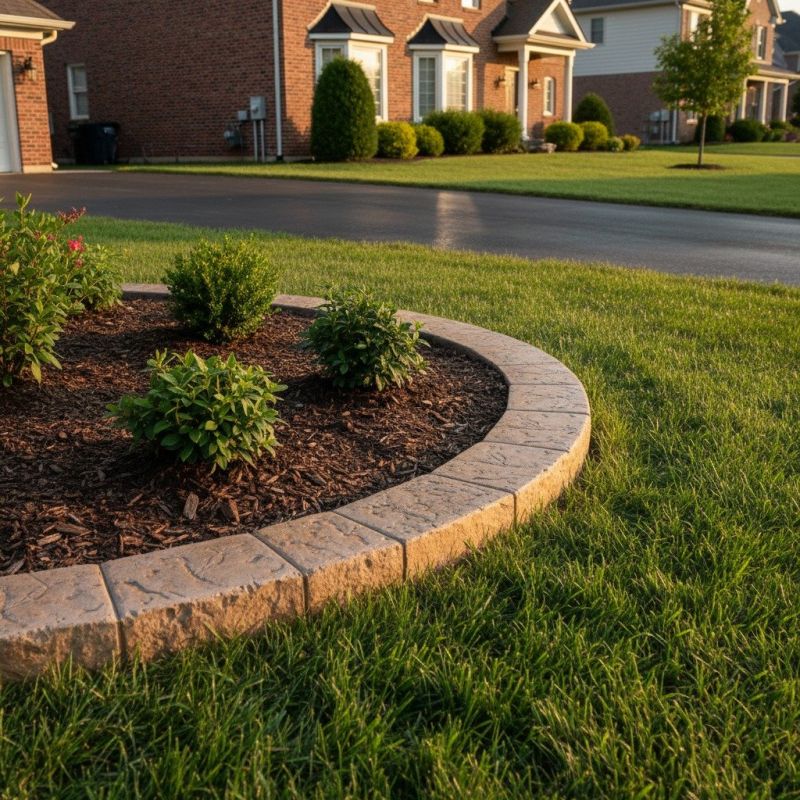
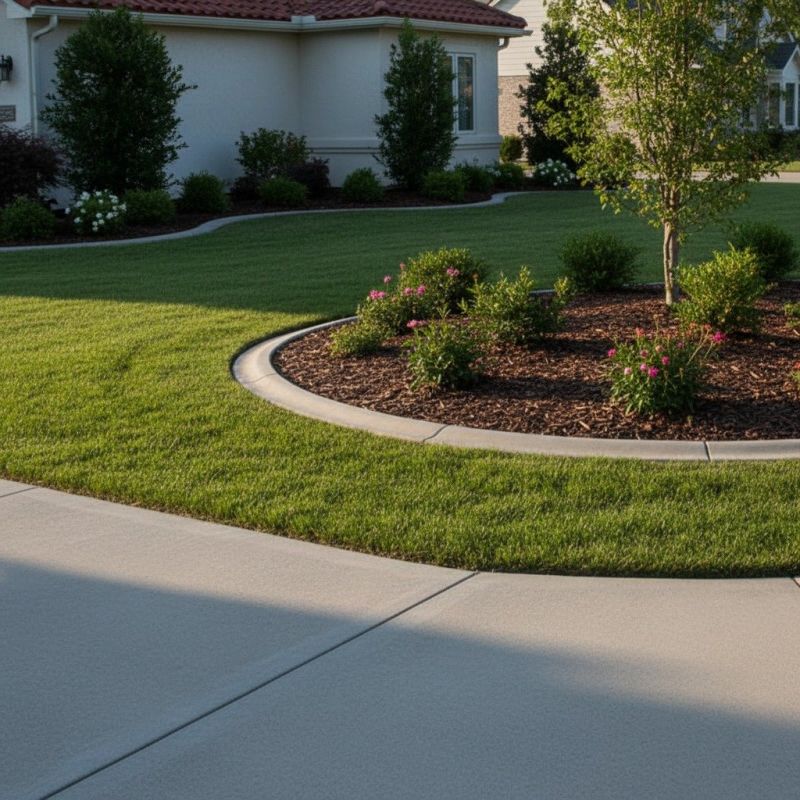


To ensure consistent comparisons, clearly define project scope, verify experience, and document expectations with trusted local contractors.
- Define project scope - clearly outline the specific landscape curbing services required and the desired outcome.
- Verify experience and expertise - ensure service providers have relevant experience in landscape curbing installation.
- Assess material options - identify the types of materials available and determine which best suit the landscape and design preferences.
- Establish written expectations - document the scope of work, materials, and responsibilities to prevent misunderstandings.
- Compare local contractors - evaluate multiple service providers based on reputation, experience, and scope of work to find suitable options.
When comparing contractors for landscape curbing installation, it’s important to consider their experience with similar projects. A contractor with a proven track record in curbing work can demonstrate familiarity with different materials, styles, and site conditions. Asking about past projects or requesting examples of completed work can help gauge their expertise and ensure they have handled projects comparable in scope and complexity. This focus on experience helps ensure that the contractor understands best practices and can deliver results that meet expectations.
A clear, written scope of work is essential when evaluating landscape curbing contractors. The scope should outline specific details such as the type of curbing material, design specifications, the extent of the area to be covered, and any preparatory work needed. Having this information documented provides clarity and helps prevent misunderstandings. It also serves as a basis for future discussions and adjustments, ensuring both parties have aligned expectations before work begins.
Verification basics involve confirming the contractor’s background and approach to quality assurance. While licensing and certification are not the focus here, it’s helpful to verify references or reviews from previous clients. Asking how the contractor plans to handle site preparation, installation techniques, and finishing touches can reveal their professionalism and attention to detail. Ensuring that the contractor’s methods align with industry standards can contribute to a smooth installation process and a durable, attractive result.
When evaluating options, it’s useful to compare how each contractor communicates and documents their process. A thorough proposal or contract should include details about the scope, materials, and project steps. Clarify any uncertainties and ensure that the scope is comprehensive. By reviewing these elements, homeowners can make informed decisions based on the contractor’s approach and professionalism, rather than solely on visual appeal or price. This careful comparison helps identify service providers who are transparent, knowledgeable, and prepared to handle the project effectively.
Ask contractors to provide written scope details to ensure clear expectations and consistent project understanding.
- Experience and Portfolio - What types of landscape curbing projects have local contractors completed previously?
- Scope of Work - How do contractors define the specific details and materials included in the curbing installation?
- Materials and Techniques - What materials and installation methods do local service providers typically use for landscape curbing?
- Project Expectations - How do contractors clarify the scope and deliverables in written agreements before starting work?
- Comparing Contractors - What criteria should be used to evaluate the experience and scope definitions of different landscape curbing service providers?
How can I compare landscape curbing contractors effectively? To compare contractors, review their experience, check references or reviews, and ensure they clearly define the scope of work in writing.
What should I look for when verifying a contractor’s experience? Look for contractors with a proven track record in landscape curbing installation, and ask for examples of previous work or references to assess their expertise.
How important is having a detailed written scope of work? A detailed scope helps set clear expectations, prevents misunderstandings, and ensures all parties agree on the project’s specifics before work begins.
What questions should I ask a contractor before hiring? Ask about their experience, the materials they use, how they handle project specifics, and whether they provide a written estimate outlining the scope of work.
Why is it important to define project details in writing? Written details help ensure clarity, establish expectations, and serve as a reference throughout the project to avoid miscommunication.
How can I ensure a contractor is the right choice for my landscape curbing project? Review their experience, verify references, compare scope definitions, and ensure they understand your project needs before making a decision.
Understanding the key aspects of landscape curbing installation can help in making informed decisions when comparing local contractors. Visitors have learned how to define the scope of the project, verify the experience of service providers, and set clear expectations in writing. This approach ensures that the process of selecting a contractor is straightforward and focused on finding the right fit for the specific needs of the landscape.
To explore options and find the best match for curb installation needs, visitors are encouraged to use the quote form. Comparing local contractors through this method allows for a practical way to gather information and connect with service providers who can handle the job. Taking this step helps in making well-informed choices tailored to individual project requirements.