Compare Local Contractors for Garden Curbing Installation Services
Compare local contractors for garden curbing installation to define project scope, verify experience, and set clear expectations for a successful outcome.
Garden curbing installation typically involves creating defined borders around flower beds, lawns, pathways, or other landscape features. This work often includes shaping and placing concrete, stone, brick, or other durable materials to form a clean, attractive edge that helps contain mulch, gravel, or soil. Properly installed garden curbing can enhance the overall appearance of a yard while providing a practical way to maintain clear separation between different landscape elements. When planning this type of work, it’s important to consider the specific materials, design preferences, and the layout of the property to ensure the finished result aligns with the property's aesthetic and functional needs.
Defining the scope of a garden curbing project is a critical step in working with service providers. Clear communication about the desired materials, design, and extent of the installation helps ensure that contractors understand the expectations and deliver a finished product that meets those specifications. Providing details such as the length of borders, the height and style of the curb, and any special features can help prevent misunderstandings. Documenting these details in writing also creates a reference point for both property owners and contractors, which can be valuable in resolving any questions or discrepancies that may arise during the project.
Property owners seeking to compare local contractors for garden curbing installation should focus on verifying their experience with similar projects and understanding their areas of expertise. It’s helpful to review portfolios or ask for references to gauge the quality of previous work. When evaluating contractors, consider how well they listen to project details, their ability to provide detailed proposals, and their approach to project planning. Comparing multiple service providers enables property owners to assess their professionalism and communication style, ensuring that expectations are aligned before work begins. This process helps to identify the service providers who are best suited to handle the specific scope and requirements of the project.
Compare local contractors by outlining your project priorities, verifying experience, and setting clear expectations in writing.
- Compare Service Providers - review local contractors’ experience and qualifications to find the best match for your garden curb installation.
- Define Project Scope - clearly outline the desired curb design and materials to ensure mutual understanding.
- Verify Experience and References - check past work and references to assess the quality and reliability of local contractors.
- Set Expectations in Writing - document project details, scope, and responsibilities to promote transparency and avoid misunderstandings.
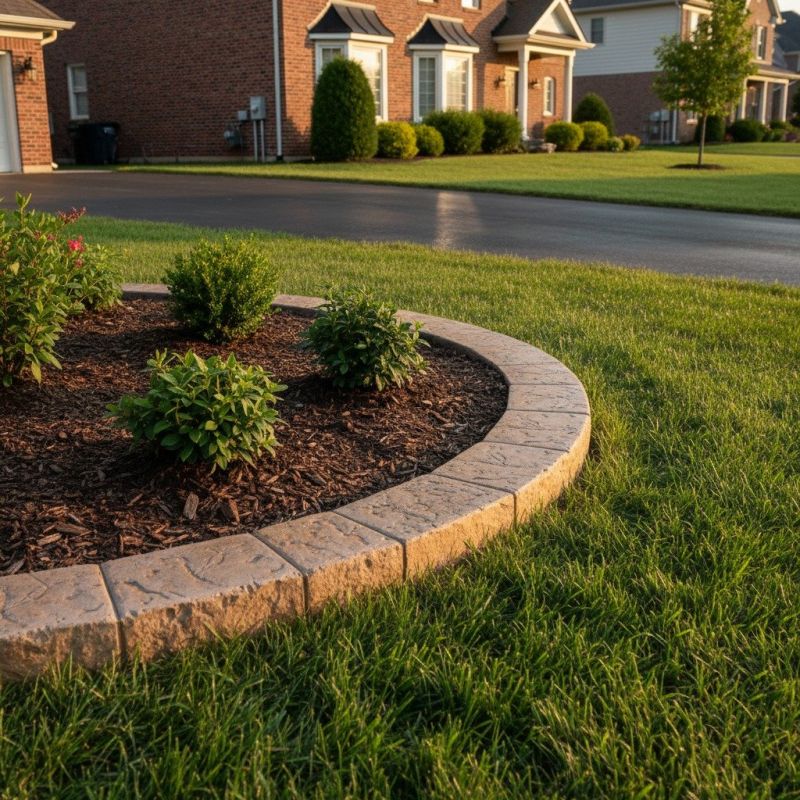
Clearly describe your garden curb project before comparing local contractors to ensure accurate scope and expectations.
- Verify the experience of local contractors with garden curbing installation projects similar in scope. - Ensure that service providers clearly define the scope of work in written agreements to prevent misunderstandings.
- Compare the scope of services offered by different local contractors to find those that meet specific project needs. - Look for detailed descriptions of materials, installation methods, and project coverage in proposals.
- Check references or reviews to assess the reliability and quality of previous garden curbing installations completed by the contractors. - Confirm that contractors have a history of completing projects to satisfaction and within expected standards.
- Ensure that the scope of work, materials, and project expectations are documented in a written contract before work begins. - A detailed agreement helps protect both parties and clarifies project responsibilities.
- Discuss the installation process and any site-specific considerations with local service providers to align expectations. - Clear communication about procedures and site conditions can prevent future issues.
- Compare the warranties or guarantees offered by different contractors to understand what coverage is provided post-installation. - Knowing the scope of protection helps evaluate the long-term value of the service.
Compare local contractors, clarify project scope, verify experience, and set clear expectations in writing.
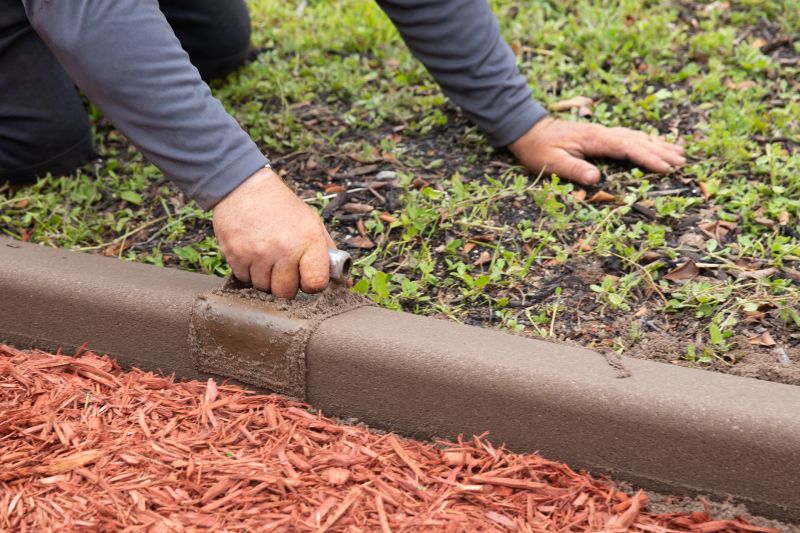

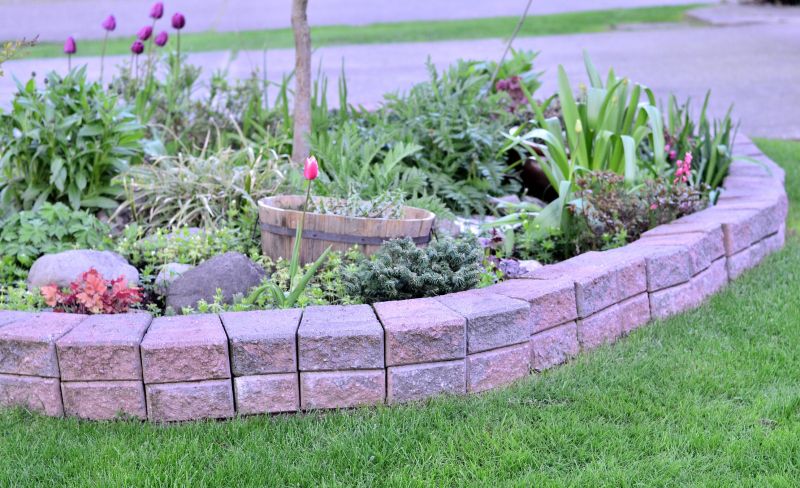

To accurately compare garden curbing installation contractors, define your scope clearly, verify their experience, and document expectations consistently.
- Define project scope - clearly specify the desired design, material preferences, and layout for the garden curbing.
- Verify experience - assess the contractor’s background and previous work with garden curbing installations.
- Establish expectations in writing - document the scope of work, materials, and any specific requirements to prevent misunderstandings.
- Compare service providers - evaluate multiple local contractors based on experience, reputation, and scope of services offered.
- Check references or reviews - gather feedback from past clients to ensure the contractor’s reliability and quality of work.
When comparing contractors for garden curbing installation, it’s important to consider their experience with similar projects. Homeowners should inquire about the types of curbing work the service providers have completed and seek details on the scope of those projects. Contractors with a proven track record in garden edging or landscape borders are more likely to understand the specific requirements and challenges involved. Reviewing their portfolios or asking for references related to past work can help gauge their familiarity and skill level with projects comparable to the one at hand.
A clear, written scope of work is essential when evaluating potential service providers. This document should outline the specific tasks to be performed, materials to be used, and the overall project expectations. Having a detailed scope helps prevent misunderstandings and ensures that both parties are aligned on what will be delivered. Homeowners are encouraged to request a comprehensive written description of the project to serve as a reference throughout the process, fostering transparency and clarity from the initial consultation through project completion.
Verification basics involve confirming a contractor’s ability to deliver quality results and adhere to professional standards. Homeowners should verify that the service providers have a history of completing similar projects successfully. Asking for proof of past work, checking references, or reviewing any available documentation about their experience can help establish credibility. It’s also beneficial to understand the contractor’s approach to project planning and communication, ensuring they are prepared to handle the scope and complexity of garden curbing installation.
When evaluating options, homeowners should focus on comparing the experience, scope clarity, and verification details provided by each contractor. It’s important to assess how well each service provider understands the project’s needs and whether their proposed approach aligns with the homeowner’s expectations. By reviewing the details of their experience, the scope of work, and the verification information, homeowners can make informed decisions about which local contractor is best suited to handle their garden curbing installation-without relying on price as the primary factor.
Ask contractors to provide written scope details to ensure clear expectations and consistent project understanding.
- Experience and Expertise - How can contractors' experience with garden curbing installation be verified?
- Scope of Work - What specific tasks and materials are included in each contractor’s proposed scope?
- Project Expectations - How should scope details be documented to ensure clear understanding between parties?
- Comparing Services - What differences in approach or methods should be considered when evaluating local contractors?
- Communication and Clarifications - What questions should be asked to clarify each contractor’s process and approach to the project?
How can I compare contractors for garden curbing installation? To compare local contractors, review their experience, check references or reviews, and ensure they clearly define the scope of work in writing.
What should I consider when defining the scope of a garden curbing project? Clearly outline the desired curb style, materials, length, and any specific design features to ensure contractors understand your expectations.
How do I verify a contractor’s experience with garden curbing? Ask for examples of previous work, request references, or review portfolios to assess their familiarity with the type of curbing you want.
Why is it important to have the project scope in writing? Having a detailed written scope helps prevent misunderstandings, sets clear expectations, and provides a record of agreed-upon work details.
What questions should I ask when evaluating potential contractors? Inquire about their experience, materials used, process, and how they handle unexpected issues during installation.
How can I ensure clear communication with a garden curbing contractor? Establish expectations upfront, request detailed written proposals, and confirm all project details before work begins.
Understanding the key aspects of garden curbing installation, including defining the scope of work, verifying the experience of local contractors, and establishing clear expectations in writing, can help ensure a smooth process. Comparing options allows for a better grasp of the services available and what each provider offers, making it easier to find the right fit for specific needs.
Utilizing the quote form provides an opportunity to review and compare different local service providers who specialize in garden curbing installation. This approach supports making informed decisions by exploring various options and understanding the services that best align with individual project requirements.